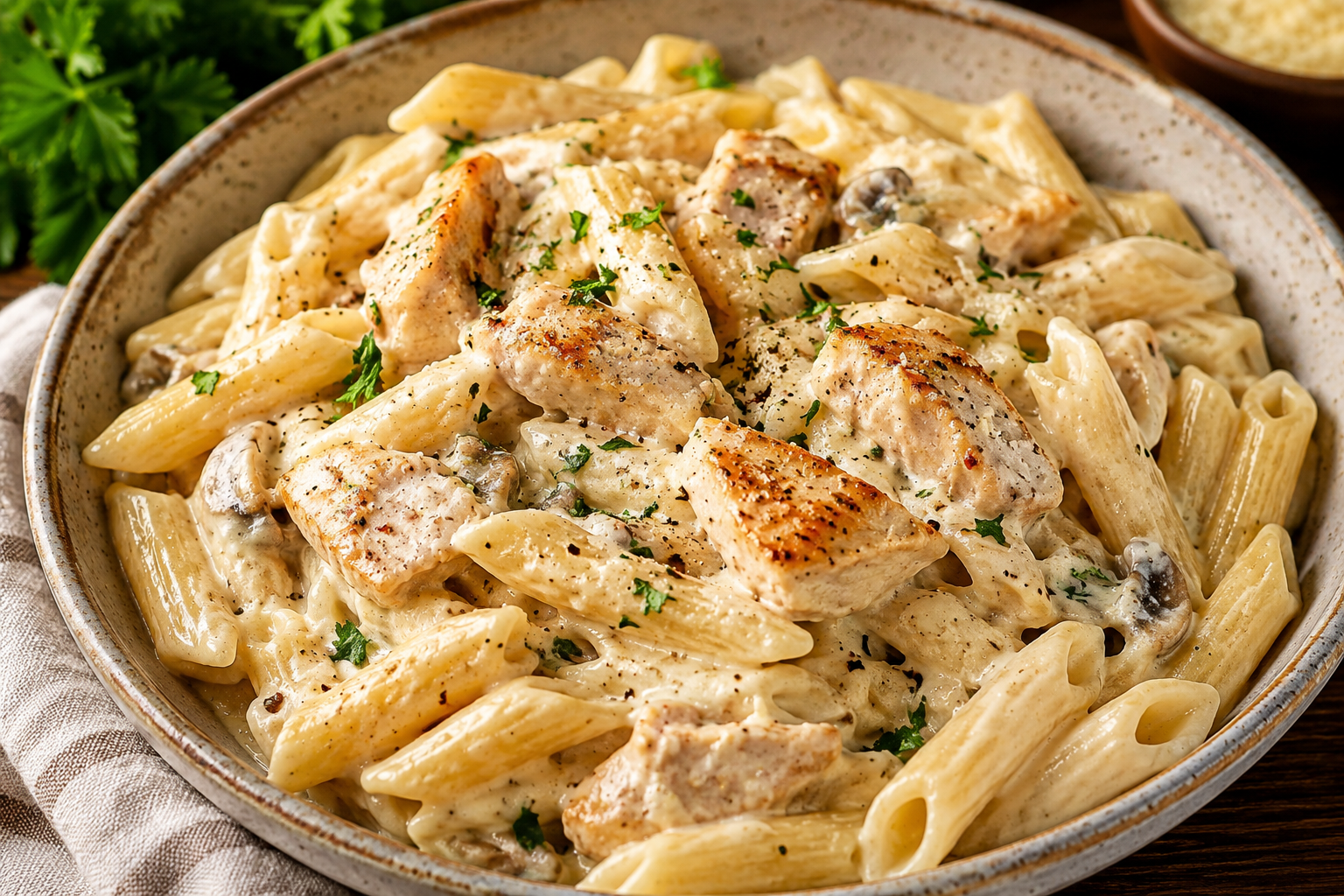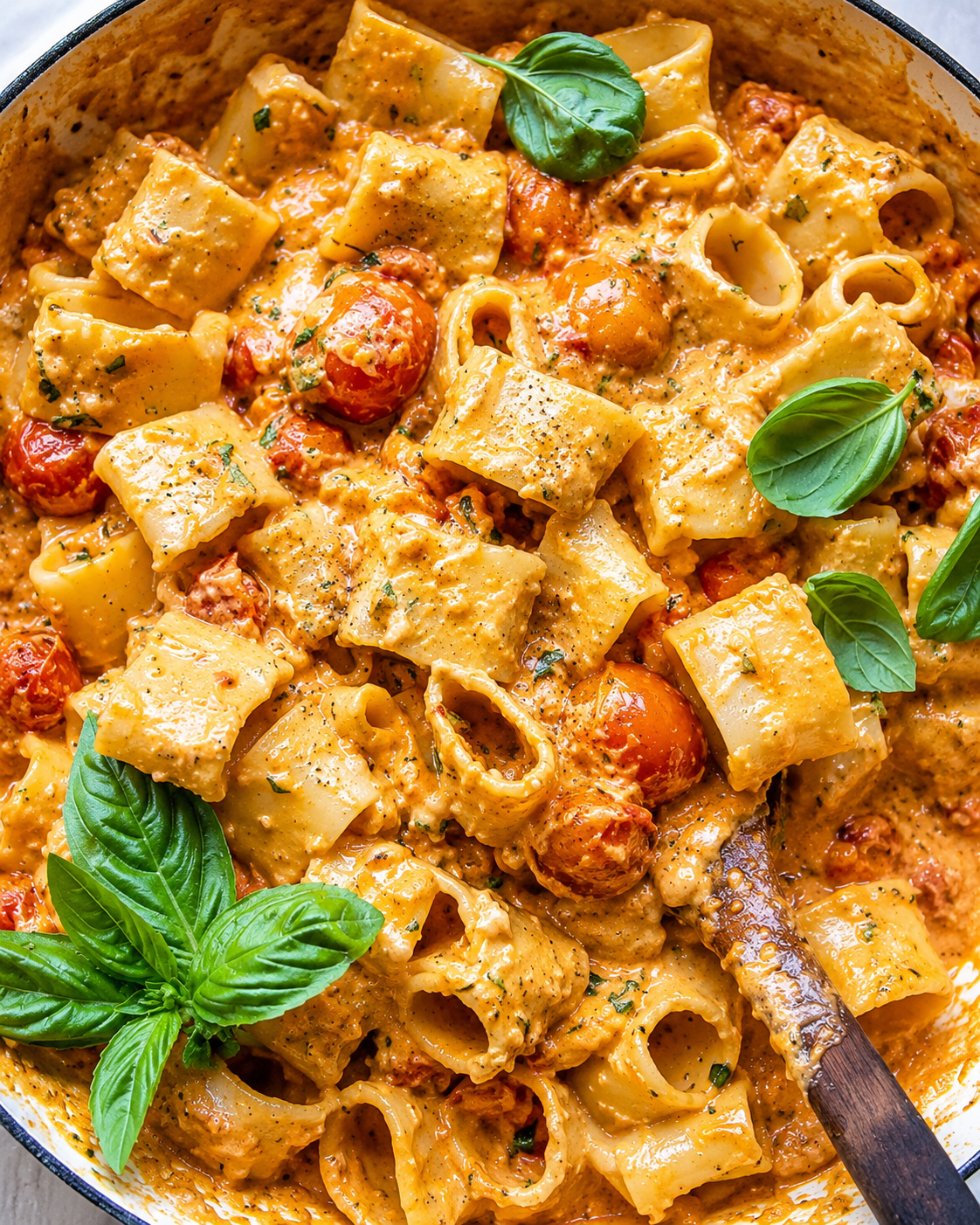
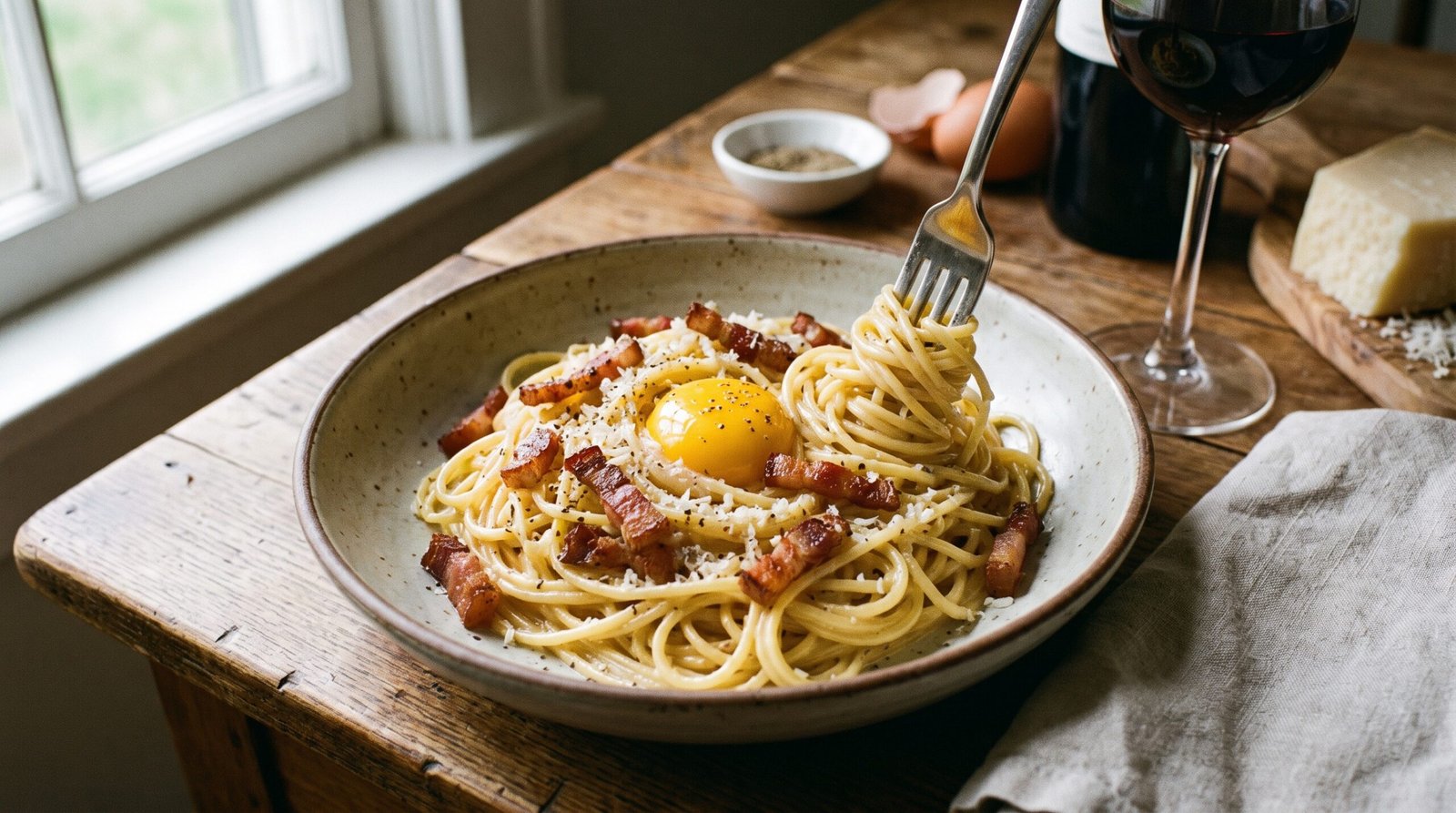
Cook pasta perfectly every time with this easy and delicious guide. Discover simple tips for boiling pasta, choosing the right sauce, and creating flavorful pasta dishes at home. Whether you love creamy pasta, tomato pasta, garlic pasta, or classic Italian flavors, these easy pasta cooking tips will help you make a satisfying meal for lunch or dinner.
Quick Answer: How to Cook Pasta
To cook Pasta dried :
- Bring a large pot of water to a rolling boil.
- Add salt once the water is boiling.
- Add the pasta and stir immediately.
- Cook according to the package directions.
- Start tasting the pasta a little before the recommended time.
- Cook until it reaches an al dente texture.
- Reserve some pasta water before draining.
- Drain the pasta without rinsing when serving it hot with sauce.
- Toss the pasta with your sauce and add a splash of pasta water if needed.
The package cooking time should be treated as a starting point because pasta shape, thickness, brand, and personal preference can affect the final cooking time. Food Network similarly recommends using the package time as a guide and tasting the pasta before it is fully cooked.
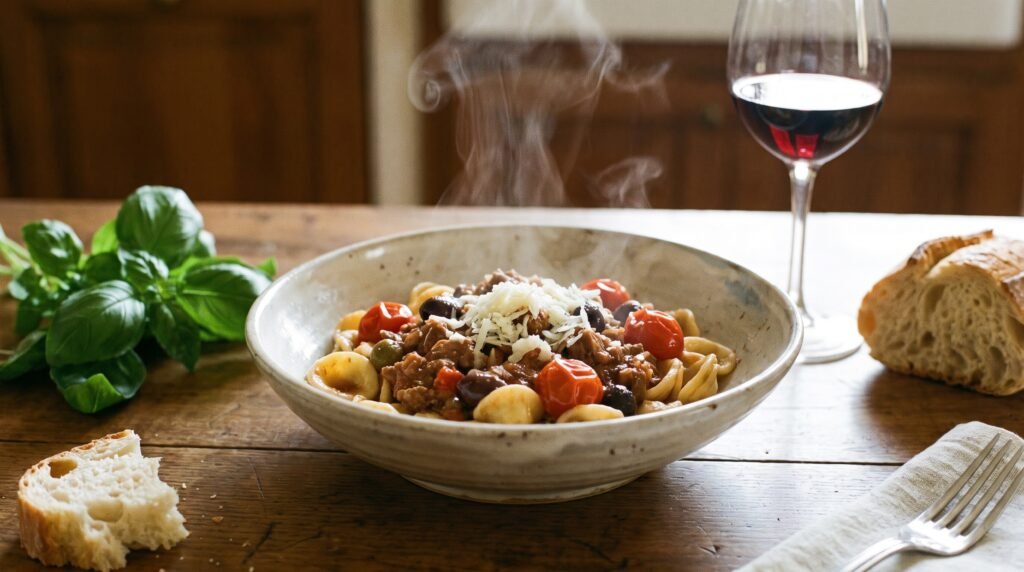
What You Need to Cook Pasta
You only need a few basic ingredients and tools:
- Dried pasta
- Water
- Salt
- A large pot
- Colander
- Wooden spoon or pasta fork
- Tongs or a pasta server
- Your favorite pasta sauce
For a simple meal, you can cook spaghetti, penne, fettuccine, rigatoni, macaroni, linguine, farfalle, or another dried pasta shape using essentially the same basic method.
If you’re looking for more inspiration after learning the basic technique, explore the FoodLure homepage for more pasta and dinner ideas.
How to Cook Pasta Step by Step
1. Bring a Large Pot of Water to a Boil
Fill a large pot with plenty of water and bring it to a strong rolling boil.
Using enough water gives the pasta room to move while cooking and helps maintain a steady boil after the pasta is added.
You don’t need to obsess over an exact water measurement for every pot. The important thing is to use enough water for the amount and shape of pasta you’re cooking.
For a pound of dried pasta, traditional guidance often uses several quarts of water. Food Network, for example, recommends about 6 quarts per pound, while Barilla recommends a large 8–12-quart pot filled about three-quarters full for one pound of pasta.
2. Salt the Boiling Water
Once the water reaches a boil, add salt.
Salt seasons the pasta as it cooks and helps give the noodles more flavor.
A commonly used guideline is around 1 tablespoon of salt per 4 quarts of water, although the exact amount can be adjusted according to your taste and the sauce you plan to use. Food Network gives this ratio in its spaghetti guide.
The key point is simple:
Salt the cooking water before adding the pasta.
3. Add the Pasta
Add the pasta to the boiling salted water.
If you’re cooking long pasta such as spaghetti, gently push the strands into the water as they soften.
For shorter shapes such as penne, fusilli, shells, or rigatoni, add them carefully and stir soon afterward.
4. Stir the Pasta
Give the pasta a good stir after adding it to the water.
Continue stirring occasionally while it cooks. This helps separate pieces and reduces the chance of pasta sticking to the bottom of the pot or clumping together.
Barilla specifically recommends stirring during cooking to help prevent sticking and promote even cooking.
You don’t need to stir constantly. A few good stirs at appropriate intervals are enough.
5. Cook Pasta According to the Package Directions
Check the package before you start cooking so you know the recommended time.
Different pasta shapes cook at different rates. Thickness, ingredients, brand, and whether the pasta is dried or fresh can also affect the cooking time.
Instead of relying only on a timer, use the package instructions as a guide and then taste the pasta.
6. Start Testing for Al Dente Texture
One of the most important secrets to perfectly cooked pasta is learning to recognize al dente.
Al dente means the pasta is cooked through but still has a pleasant firmness or slight bite when you chew it.
Food Network recommends beginning to check pasta roughly two minutes before the suggested al dente cooking time.
Take out a piece, let it cool briefly, and taste it.
If it is tender but still has some resistance when you bite it, it is usually ready.
7. Reserve Pasta Water
Before draining your pasta, scoop out some of the cooking water.
Keep about 1 cup nearby, although you may not need all of it.
Pasta water contains starch released from the pasta during cooking. When added gradually to sauce, it can help loosen the sauce and improve its texture.
Barilla recommends reserving pasta water shortly before the pasta finishes cooking and using it when finishing the pasta in sauce.
8. Drain the Pasta
Drain the pasta in a colander.
If you’re serving the pasta hot with sauce, don’t rinse it under cold water.
Rinsing removes some of the surface starch that helps sauce cling to the pasta.
There are exceptions. For example, chilled pasta dishes and pasta salads may use different preparation methods because the pasta needs to cool and stop cooking.
9. Finish the Pasta in the Sauce
This step can make a noticeable difference.
Instead of putting plain drained pasta on a plate and pouring sauce over it, combine the pasta and sauce in a pan.
Toss the pasta with the sauce for a minute or two. Add a small splash of reserved pasta water if the sauce is too thick.
This helps the sauce coat the pasta more evenly.
Both Barilla and Food Network recommend finishing cooked pasta with the sauce and using reserved pasta water to adjust the consistency.
How Long Does It Take to Cook Pasta?
There isn’t one universal cooking time for every pasta shape.
Use the package instructions as your starting point and begin testing the pasta before the suggested time.
Here is a practical starting guide:
| Pasta Shape | Approximate Cooking Time* |
|---|---|
| Spaghetti | 8–12 minutes |
| Linguine | 8–12 minutes |
| Fettuccine | 8–12 minutes |
| Macaroni | 6–9 minutes |
| Penne | 10–12 minutes |
| Rigatoni | 10–14 minutes |
| Farfalle | 10–12 minutes |
| Rotini | 8–12 minutes |
| Shells | 8–12 minutes |
| Fresh pasta | About 1–5 minutes |
Cooking times are general ranges, not universal rules. Always check the package because thickness, ingredients, brand, and shape can change the cooking time.
For example, Food Network gives spaghetti a general range of about 8–12 minutes while recommending that cooks taste the pasta to determine when it is ready.
What Does Al Dente Mean?
Al dente literally refers to pasta cooked so it has a slight firmness when bitten.
Perfect al dente pasta should:
- Be cooked through
- Not be crunchy
- Not be mushy
- Have a slight bite
- Hold its shape
- Work well with sauce
The best way to learn the texture is to taste the pasta rather than relying entirely on the clock.
If you’re making a sauce-based pasta dish, remember that pasta can continue cooking briefly when you finish it in the sauce.
How Much Pasta Should You Cook Per Person?
For dried pasta, around 2 ounces per person is a commonly used starting serving size.
You may want more if pasta is the main part of the meal or if you’re serving hungry guests.
Food Network gives 2 ounces of dried spaghetti as a general serving size and notes that 3–4 ounces may be appropriate depending on the meal and add-ins.
For a family dinner, consider:
- 2 ounces per person for a lighter serving
- 3 ounces for a heartier portion
- More when pasta is the main dish and you’re feeding big appetites
Should You Add Oil to Pasta Water?
Generally, no.
Adding oil to the cooking water isn’t necessary to prevent normal pasta sticking.
The better approach is to:
- Use enough water.
- Add the pasta to boiling water.
- Stir after adding it.
- Cook it properly.
- Drain it when ready.
- Toss it with sauce promptly.
Barilla specifically advises skipping oil in the pasta water because it doesn’t solve the sticking problem and can interfere with sauce coating the pasta.
Should You Rinse Pasta After Cooking?
For most hot pasta dishes, no.
If you’re making spaghetti with tomato sauce, creamy pasta, pesto pasta, or another hot sauce-based dish, rinsing isn’t usually desirable because it washes away surface starch.
Instead, drain the pasta and immediately combine it with your sauce.
When might rinsing make sense?
There are situations where pasta is cooled for a cold preparation, such as certain pasta salads. In that case, the cooking and cooling process is different.
The important rule is:
Hot pasta + sauce = usually don’t rinse.
How to Prevent Pasta From Sticking
Sticky pasta usually comes from a combination of cooking and handling issues.
Use enough water
Give the pasta room to move.
Stir after adding pasta
The first few minutes are particularly important for separating pieces.
Don’t overcook it
Overcooked pasta can become softer and stickier.
Drain promptly
Don’t leave cooked pasta sitting in hot water.
Add sauce soon after draining.
For hot pasta dishes, combine the pasta and sauce rather than allowing the noodles to sit by themselves.
Why Is My Pasta Mushy?
Mushy pasta is usually overcooked.
To prevent it:
- Start checking the pasta before the package time ends.
- Taste a piece rather than trusting the timer alone.
- Remove it when it reaches al dente.
- Remember that pasta may continue cooking briefly after draining.
- Finish it in the sauce instead of cooking it for too long.
If your pasta is already mushy, you generally can’t return it to its original texture. The best solution is to use it in a dish where a softer texture is less noticeable, rather than continuing to cook it.
Why Is My Pasta Still Hard?
If the center is noticeably hard or crunchy, the pasta needs more cooking.
Return it to the boiling water for another minute or two, then taste it again.
Don’t judge pasta only by its outside appearance. The bite test is much more useful.
Why Does My Pasta Taste Bland?
The pasta itself can taste bland if the cooking water isn’t adequately seasoned.
Salt the water before adding the pasta, and remember that the finished dish also gets flavor from the sauce, cheese, herbs, vegetables, meat, seafood, or other ingredients.
However, don’t assume that adding huge amounts of salt is automatically better. Season according to your ingredients and dietary needs.
Can You Cook Pasta Directly in Sauce?
Yes, some pasta dishes can be cooked directly in sauce or with a limited amount of liquid.
However, the traditional boiling-water method is the easiest and most predictable approach for beginners.
Cooking pasta separately also gives you control over:
- Pasta texture
- Salt level
- Cooking time
- Sauce consistency
- Pasta water
For a beginner learning how to cook pasta, boiling it separately is usually the best place to start.
Fresh Pasta vs. Dried Pasta
Fresh and dried pasta don’t cook the same way.
| Feature | Dried Pasta | Fresh Pasta |
|---|---|---|
| Texture | Firm and chewy | Tender and delicate |
| Cooking time | Usually longer | Usually much shorter |
| Storage | Long shelf life | More perishable |
| Best for | Everyday meals | Delicate sauces and special dishes |
| Testing | Bite test | Careful tasting |
Fresh pasta can cook very quickly. Food Network’s fresh-pasta guide recommends simmering fresh pasta and gives a general cooking range of about 3–5 minutes, depending on the pasta and desired texture.
How to Cook Pasta for Pasta Salad
Pasta salad requires slightly different handling from a hot pasta dish.
A useful general approach is:
- Cook the pasta according to package directions.
- Check the texture carefully.
- Drain it.
- Cool it according to your recipe.
- Combine it with dressing and other ingredients.
For cold pasta dishes, the goal isn’t the same as preparing noodles that will immediately be tossed with a hot sauce.
10 Common Pasta-Cooking Mistakes
1. Adding pasta before the water boils
Start with properly boiling water so cooking begins consistently.
2. Forgetting to salt the water
Unsalted pasta can taste flat.
3. Adding oil to the cooking water
Oil isn’t the solution to normal pasta sticking.
4. Never stirring the Cook Pasta
A few good stirs help separate the noodles.
5. Trusting the timer blindly
The package time is a guide. Taste the pasta.
6. Overcooking pasta
This is one of the easiest ways to lose the ideal texture.
7. Forgetting pasta water
A little reserved pasta water can be extremely useful when adjusting sauce.
8. Rinsing hot pasta unnecessarily
Rinsing can remove surface starch that helps sauce cling.
9. Letting drained pasta sit too long
Pasta is best handled promptly after draining.
10. Serving pasta and sauce separately
For many dishes, tossing them together helps the sauce coat every piece.
The Best Way to Cook Pasta for Sauce
If your goal is restaurant-style pasta at home, focus on the final stage.
Cook the pasta until it is just shy of your preferred final texture. Reserve some pasta water, drain the noodles, and add them directly to the sauce.
Toss everything together while the sauce coats the pasta.
Add pasta water a tablespoon or two at a time until the sauce reaches the consistency you want.
This technique is especially useful for tomato sauces, creamy sauces, pesto, cheese sauces, and simple olive-oil-based pasta dishes.
Quick Pasta Cooking Checklist
Before you serve your pasta, ask:
- Is the pasta cooked through?
- Does it still have a slight bite?
- Did I taste it instead of relying only on the timer?
- Did I save some pasta water?
- Is the sauce coating the pasta?
- Is the sauce too thick?
- Should I add a small splash of pasta water?
- Does the dish need more seasoning?
If the answers look good, your pasta is ready.
Frequently Asked Questions
How long does it take to cook pasta?
Most dried pasta takes roughly 6–14 minutes depending on the shape and brand. Always use the package instructions as a starting point and taste the pasta before it becomes overcooked.
How do I know when pasta is done?
Taste a piece. Properly cooked pasta should be tender but still have a slight bite. This texture is commonly called al dente.
How much water do I need to cook pasta?
Use enough water to allow the pasta to move freely while maintaining a strong boil. For one pound of dried pasta, traditional guidelines commonly use several quarts of water. Exact requirements can vary by pot, pasta, and cooking method.
How much salt should I add to pasta water?
A commonly used guideline is about 1 tablespoon of salt per 4 quarts of water, although you can adjust it according to taste and the rest of the dish.
Should I put oil in pasta water?
Usually no. Oil isn’t necessary to prevent pasta from sticking. Stirring the pasta and cooking it properly are more useful techniques.
Should I rinse pasta?
For most hot pasta dishes, no. Rinsing can remove surface starch that helps sauce adhere to the noodles.
Why is my pasta sticky?
Pasta may become sticky when it sits after draining, isn’t stirred sufficiently while cooking, or is overcooked. Drain it promptly and combine it with sauce.
Can I use pasta water in my sauce?
Yes. Reserved pasta water contains starch and can help loosen and improve the consistency of many sauces. Add it gradually rather than all at once.
How much pasta should I cook per person?
About 2 ounces of dried pasta per person is a common starting point, although you may want more for a main-course serving.
Is fresh pasta faster to cook than dried pasta?
Usually, yes. Fresh pasta generally cooks much faster than dried pasta, so it should be watched carefully. Food Network gives approximately 3–5 minutes as a general range for fresh pasta, depending on the type.
Can I cook pasta directly in sauce?
Yes, certain recipes are designed for that method. However, boiling pasta separately is a simple and reliable approach when you’re learning the basics.
Final Tips
The secret to learning how to cook pasta isn’t complicated.
Use plenty of water, season it with salt, add the pasta once the water is boiling, stir it, check the texture before the package time is finished, and cook it until it reaches the level of doneness you prefer.
For the best sauce-based pasta, save some cooking water, avoid unnecessarily rinsing hot noodles, and finish the pasta directly in the sauce.
Once you learn to recognize Cook Pasta, you don’t have to depend entirely on a timer. You’ll be able to cook spaghetti, penne, fettuccine, macaroni, and many other pasta shapes with much more confidence.