
There are few foods as closely connected to Italian culture as pasta. From the peppery simplicity of Cacio e Pepe in Rome to the bold flavors of Pasta alla Norma in Sicily, traditional Italian pasta recipes show just how different each region of Italy can be.
If you’re searching for the best Italian pasta recipes, this collection brings together classic dishes, regional favorites, comforting baked pasta, seafood recipes, vegetarian options, and traditional sauces worth making at home.
What makes this list different is that it doesn’t treat every dish as equally traditional. Some recipes are deeply rooted in Italian regional cooking, while others are modern or Italian-American adaptations. Understanding that difference can help you choose the right recipe and appreciate where each dish comes from.
If you’re simply looking for more pasta inspiration, you can also explore FoodLure’s 50 Best Pasta Recipes for Easy & Delicious Dinners.
34 Best Italian Pasta Recipes
Italian pasta is loved around the world for its simple ingredients, rich flavors, and comforting textures. From classic spaghetti and creamy fettuccine to traditional penne lasagna and authentic Italian pasta dishes, there are endless ways to enjoy pasta at home. Whether you are looking for an easy weeknight dinner or traditional Italian pasta recipes, these dishes bring authentic Italian-inspired flavors to your table. Explore delicious Italian pasta recipes made with fresh ingredients, flavorful sauces, herbs, cheese, and simple cooking techniques.
Italian pasta is celebrated worldwide for its authentic flavors, simple ingredients, and timeless culinary traditions. These italian recipes for pasta combine traditional pasta shapes, flavorful sauces, fresh ingredients, and classic cooking techniques to create delicious meals for every occasion. From creamy and cheesy favorites to rich tomato sauces, seafood specialties, and regional classics, italian recipes for pasta offer something for every pasta lover. Whether you are preparing a quick weeknight dinner or exploring Italian cooking at home, these italian recipes for pasta make it easy to enjoy satisfying dishes inspired by Italy’s diverse and flavorful culinary heritage.
What Makes Italian Pasta?
Authenticity in Italian cooking isn’t simply about adding tomatoes and Parmesan.
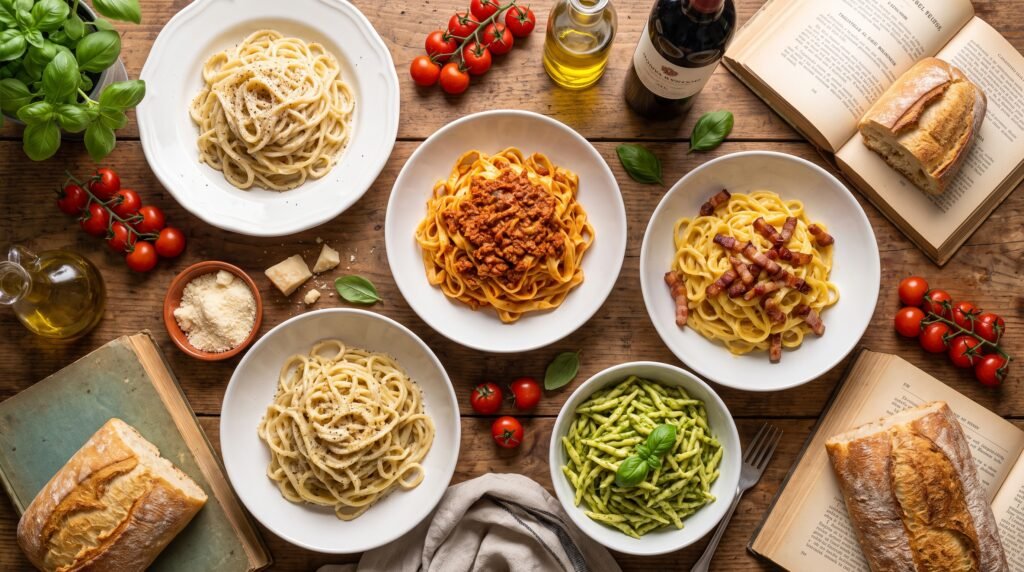
Italian pasta dishes are known for their comforting flavors, simple ingredients, and traditional cooking methods. From classic spaghetti and penne to creamy fettuccine, lasagna, and authentic regional specialties, Italian pasta offers something for every taste. Whether you want an easy weeknight meal or a traditional dish for a special dinner, these delicious pasta dishes are easy to prepare and full of authentic Italian-inspired flavor.
Traditional Italian pasta dishes are usually connected to a particular region, local ingredients, a pasta shape, cooking method, or long-standing culinary tradition.
Northern Italian cuisine is well known for fresh egg pasta and rich sauces, while southern regions make extensive use of durum-wheat pasta, vegetables, tomatoes, olive oil, and seafood.
Discover the authentic flavors of traditional Italian pasta, featuring classic recipes that celebrate simple ingredients and time-honored cooking traditions. From spaghetti carbonara and pasta al pomodoro to lasagna, pesto pasta, and regional specialties, Italian pasta dishes are known for their rich flavors and satisfying textures. Traditional Italian pasta recipes often combine quality pasta with ingredients such as tomatoes, extra-virgin olive oil, Parmesan cheese, garlic, fresh herbs, and flavorful sauces. Whether you want to recreate a classic Italian meal at home or explore pasta dishes from different regions of Italy, these traditional recipes offer a delicious taste of authentic Italian cuisine.
A useful way to think about authenticity is to consider these five things:
- Region: Where did the dish develop?
- Pasta shape: Which shape traditionally works with the sauce?
- Ingredients: Which ingredients define the dish?
- Technique: How is the sauce traditionally prepared?
- Tradition: Is it an established Italian dish or a modern adaptation?
With that in mind, let’s explore recipes worth knowing.
34 Best Italian Pasta Recipes
1. Spaghetti Carbonara
Region: Lazio, especially Rome
Pasta: Spaghetti or another traditional long pasta
Best for: Classic Italian dinner
Difficulty: Medium
Spaghetti Carbonara is one of the world’s most recognizable Italian pasta dishes. Traditional versions rely on a short list of ingredients such as pasta, eggs, Pecorino Romano, cured pork such as guanciale, and black pepper.
The creamy texture should come from the eggs, cheese, pasta starch, and careful mixing rather than a heavy cream-based sauce.
Authenticity tip
Keep the heat under control when combining the egg and cheese mixture with hot pasta. Too much heat can scramble the eggs instead of creating a silky sauce 34 Best Italian Pasta .
2. Cacio e Pepe
Region: Rome, Lazio
Pasta: Spaghetti, tonnarelli, or similar long pasta
Best for: Quick traditional dinner
Difficulty: Medium
Cacio e Pepe proves that a great pasta dish doesn’t need a long ingredient list.
The classic combination of Pecorino Romano, black pepper, pasta, and starchy cooking water creates a smooth, intensely savory sauce.
The technique is the important part. Pasta water helps bring the cheese and pasta together into a creamy coating.
Why you’ll love it
- Few ingredients
- Fast to prepare
- No complicated sauce
- Strong traditional Roman identity
3. Pasta alla Gricia
Region: Lazio
Pasta: Rigatoni, spaghetti, or similar shapes
Best for: Traditional Roman pasta lovers
Difficulty: Medium
Often described as a close relative of Carbonara and Amatriciana, Pasta alla Gricia combines pasta with guanciale, Pecorino Romano, and black pepper.
There are no tomatoes and no cream. The rendered fat from the guanciale and starchy pasta water help create the sauce.
This is an excellent example of how a handful of ingredients can create a deeply flavorful Italian pasta dish.
4. Bucatini all’Amatriciana
Region: Amatrice/Lazio tradition
Pasta: Bucatini
Best for: Rich tomato pasta
Difficulty: Easy to medium
Amatriciana combines tomato with cured pork, Pecorino Romano, and chili for a sauce that is both rich and pleasantly spicy.
Bucatini is particularly satisfying because the hollow center carries the sauce.
Serving tip
Finish the pasta in the sauce rather than simply spooning sauce over cooked pasta. This helps the sauce coat the noodles more evenly. 34 Best Italian Pasta
5. Pasta Aglio e Olio
Region: Naples/Campania tradition
Pasta: Spaghetti
Best for: Fast weeknight dinner
Difficulty: Easy
Spaghetti Aglio e Olio is one of the simplest classic Italian pasta dishes.
Garlic is gently cooked in extra-virgin olive oil and combined with spaghetti, chili flakes, parsley, and pasta water.
The trick is to avoid burning the garlic. Burnt garlic can quickly make the entire dish bitter.
Best for
When you need dinner quickly but still want something flavorful and satisfying.
6. Pasta alla Puttanesca
Region: Southern Italy, strongly associated with Naples
Pasta: Spaghetti
Best for: Bold flavors
Difficulty: Easy
Puttanesca is famous for its intense combination of tomatoes, olives, capers, garlic, anchovies, and chili.
The sauce is salty, savory, spicy, and aromatic, making it ideal when you want a pasta dinner with a lot of character.
Use good-quality olives and tomatoes for the best result.
7. Pasta alla Norma
Region: Sicily, especially Catania
Pasta: Short pasta or spaghetti
Best for: Vegetarian Italian dinner
Difficulty: Easy
Pasta alla Norma is one of Sicily’s best-known pasta dishes.
It traditionally combines pasta with tomato sauce, fried or cooked eggplant, basil, and ricotta salata.
The contrast between sweet tomato, tender eggplant, fresh basil, and salty ricotta salata makes this dish especially memorable.
Authenticity note
Ricotta salata is an important part of the traditional character of Pasta alla Norma. Regular Parmesan changes the flavor considerably.
8. Pasta con le Sarde
Region: Sicily
Pasta: Bucatini or spaghetti
Best for: Seafood lovers
Difficulty: Medium
Pasta con le Sarde brings together pasta and the flavors of Sicily’s Mediterranean pantry.
Sardines, wild fennel, raisins, pine nuts, and saffron can create a distinctive sweet-savory combination.
This dish is a great reminder that authentic Italian pasta isn’t limited to tomato sauces and cheese.
9. Pasta alle Vongole
Region: Campania and coastal Italy
Pasta: Spaghetti or linguine
Best for: Seafood dinner
Difficulty: Medium
Spaghetti alle Vongole is a classic seafood pasta made with clams, garlic, olive oil, parsley, and pasta.
There are different regional and family approaches, including versions with tomato and versions without it.
The most important thing is to avoid overcooking the clams and to finish the pasta with the flavorful cooking juices.
10. Spaghetti alla Nerano
Region: Campania, Amalfi Coast area
Pasta: Spaghetti
Best for: Light vegetarian pasta
Difficulty: Medium
Spaghetti alla Nerano pairs fried zucchini with pasta, basil, and cheese.
The dish is associated with Nerano on the Amalfi Coast and has become a celebrated example of how simple Mediterranean ingredients can create a luxurious pasta dinner.
For the best texture, cook the zucchini carefully and finish the pasta with the sauce rather than leaving the ingredients separate.
11. Pasta e Patate
Region: Campania/Naples
Pasta: Mixed pasta or short shapes
Best for: Comfort food
Difficulty: Easy
Pasta e Patate translates simply to pasta and potatoes, but the result is much more satisfying than the name suggests.
Potatoes slowly cook with pasta and aromatics to create a hearty, starchy dish. Depending on the version, tomatoes, cheese, pancetta, or other local ingredients may be added.
This is a wonderful example of traditional Italian cucina povera, where inexpensive ingredients become comforting meals.
12. Pasta e Fagioli
Region: Various regions of Italy
Pasta: Small pasta shapes
Best for: Hearty family dinner
Difficulty: Easy
Pasta e Fagioli combines beans and pasta in a thick, comforting dish.
There isn’t one single universal Italian recipe. Regional and family versions vary in consistency, ingredients, and seasoning.
The combination of beans, pasta, vegetables, olive oil, and herbs makes it satisfying without requiring expensive ingredients.
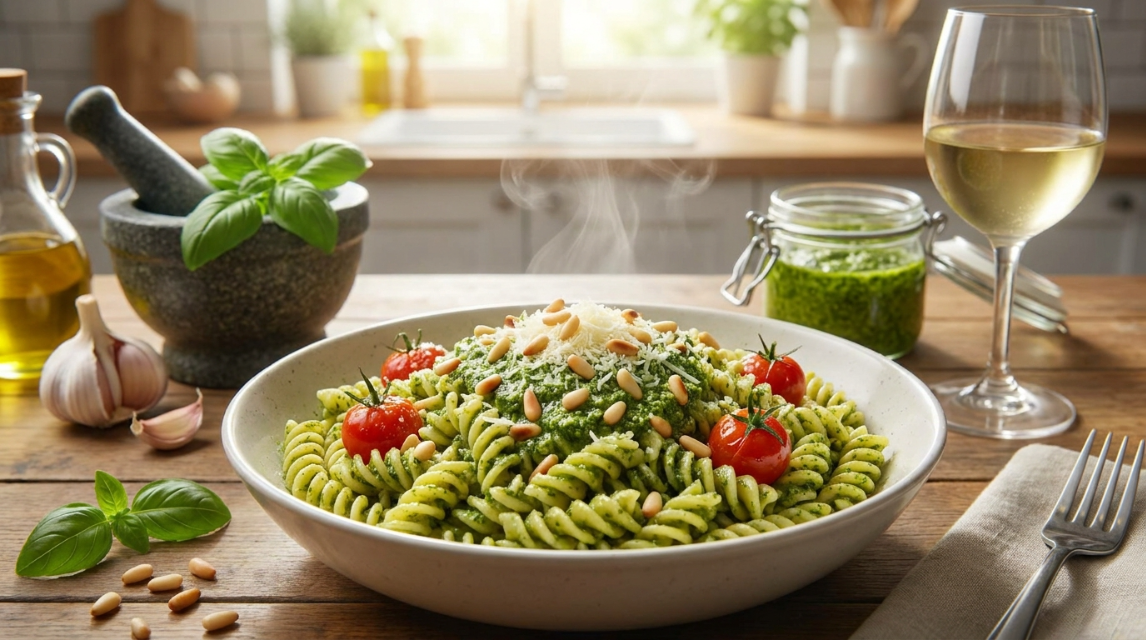
13. Pesto Genovese Pasta
Region: Liguria, especially Genoa
Pasta: Trofie, trenette, or linguine
Best for: Fresh vegetarian dinner
Difficulty: Easy
Pesto Genovese is one of Italy’s most famous sauces.
Traditional pesto is associated with Liguria and is made with basil, pine nuts, garlic, hard cheese, Pecorino, and extra-virgin olive oil.
Trofie and trenette are especially associated with Ligurian pesto dishes.
Pesto tip
Avoid aggressively cooking fresh pesto. Toss it with hot pasta after the pasta is cooked so the basil remains fresh and aromatic.
14. Tagliatelle al Ragù
Region: Emilia-Romagna
Pasta: Fresh tagliatelle
Best for: Sunday lunch
Difficulty: Medium
Tagliatelle al Ragù is one of the most important pasta combinations in Emilia-Romagna.
Fresh tagliatelle pairs beautifully with a slow-cooked meat ragù because the broad noodles hold onto the rich sauce.
This is a dish that rewards patience. A slowly developed ragù has much greater depth than a sauce rushed through the cooking process.
15. Lasagna alla Bolognese
Region: Emilia-Romagna
Pasta: Fresh lasagna sheets
Best for: Family meals and celebrations
Difficulty: Medium
Lasagna alla Bolognese layers pasta with ragù, béchamel, and cheese.
Unlike many heavily loaded baked pasta dishes, the traditional style focuses on balanced layers rather than overwhelming the pasta with excessive cheese.
Serving tip
Let baked lasagna rest before cutting. This helps the layers settle and makes serving much easier.
16. Tortellini in Brodo
Region: Emilia-Romagna
Pasta: Tortellini
Best for: Traditional Italian comfort food
Difficulty: Medium
Tortellini in Brodo is a classic preparation in which small stuffed pasta is served in a flavorful broth.
It is particularly associated with Emilia-Romagna and is often enjoyed during colder weather and festive occasions.
The quality of the broth matters just as much as the pasta.
17. Tortellini alla Panna
Region: Emilia-Romagna tradition
Pasta: Tortellini
Best for: Rich comfort food
Difficulty: Easy
Tortellini alla Panna combines stuffed tortellini with a creamy sauce.
It’s richer than many southern Italian pasta dishes and demonstrates the different culinary traditions found in northern Italy.
For balance, avoid making the sauce unnecessarily heavy.
18. Pappardelle al Cinghiale
Region: Tuscany
Pasta: Pappardelle
Best for: Special dinner
Difficulty: Advanced
Pappardelle al Cinghiale pairs broad pasta with a slow-cooked wild boar ragù.
The wide shape is particularly appropriate for a substantial meat sauce because it provides plenty of surface area for the ragù.
This is a good example of how pasta shape is closely connected to the sauce it carries.
19. Pici all’Aglione
Region: Tuscany
Pasta: Pici
Best for: Rustic vegetarian dinner
Difficulty: Medium
Pici are thick, hand-rolled Tuscan pasta strands.
One traditional preparation pairs them with an aglione-based tomato sauce. Aglione is a large Italian garlic variety traditionally associated with Tuscany.
The result is rustic, aromatic, and very different from a standard spaghetti tomato sauce.
20. Orecchiette con Cime di Rapa
Region: Puglia
Pasta: Orecchiette
Best for: Vegetarian or vegetable-forward dinner
Difficulty: Medium
Orecchiette with broccoli rabe is one of Puglia’s signature pasta combinations.
The small ear-shaped pasta is ideal for catching pieces of vegetables, olive oil, garlic, chili, and other flavorful ingredients.
The bitter greens provide a pleasant contrast to the pasta.
21. Orecchiette al Sugo
Region: Puglia
Pasta: Orecchiette
Best for: Traditional southern Italian meal
Difficulty: Easy
Orecchiette can also be paired with a simple tomato-based sugo.
The shape is one of the most recognizable pasta varieties from Puglia and demonstrates why pasta shape matters in regional Italian cooking.
22. Pasta alla Sorrentina
Region: Campania
Pasta: Short pasta
Best for: Cheesy baked or skillet pasta
Difficulty: Easy
Pasta alla Sorrentina combines tomato sauce, mozzarella, basil, and pasta.
It is inspired by the flavors of Sorrento and the Campania region.
The combination of bright tomato sauce, melted mozzarella, and basil makes it especially appealing for family dinners.
23. Spaghetti al Pomodoro
Region: Italy, especially southern tomato-cooking traditions
Pasta: Spaghetti
Best for: Simple everyday dinner
Difficulty: Easy
Spaghetti al Pomodoro is a perfect example of Italian simplicity.
A good tomato sauce, basil, and properly cooked pasta can create a meal that tastes far more sophisticated than its ingredient list suggests.
The secret
Use good tomatoes and don’t overcomplicate the sauce.
24. Pasta Arrabbiata
Region: Rome/Lazio
Pasta: Penne or similar short pasta
Best for: Spicy pasta lovers
Difficulty: Easy
Penne all’Arrabbiata combines tomato, garlic, olive oil, and chili.
The Italian word “arrabbiata” means angry, a reference to the dish’s spicy heat.
It’s a fast and affordable pasta dinner that works particularly well on busy evenings.
25. Pasta al Tonno
Region: Italian coastal and home-cooking traditions
Pasta: Spaghetti or short pasta
Best for: Pantry dinner
Difficulty: Easy
Pasta al Tonno is a practical Italian tuna pasta that can be made with pantry staples.
Depending on the regional or family recipe, tuna may be combined with tomato, olive oil, garlic, chili, capers, or herbs.
It’s proof that Italian pasta doesn’t have to be complicated to be delicious.
26. Pasta with Broccoli
Region: Southern Italian traditions
Pasta: Short pasta or spaghetti
Best for: Vegetarian family meal
Difficulty: Easy
Broccoli pasta is simple, inexpensive, and comforting.
One useful technique is to cook some of the broccoli until very soft and combine it with the pasta, so it becomes almost sauce-like.
A little chili, garlic, olive oil, and cheese can add plenty of flavor.
27. Pasta e Lenticchie
Region: Southern Italy and various Italian regions
Pasta: Small pasta shapes
Best for: Budget-friendly meal
Difficulty: Easy
Pasta e Lenticchie combines lentils and pasta into a hearty, economical meal.
It is particularly useful when you want a filling vegetarian dinner based on pantry staples.
The lentils provide body while the pasta adds comforting texture.
28. Ravioli with Ricotta and Spinach
Region: Various regions of Italy
Pasta: Fresh ravioli
Best for: Special occasions
Difficulty: Advanced
Fresh ravioli filled with ricotta and spinach is a classic combination found in several Italian regional traditions.
The filling is delicate, so it works best with a simple sauce such as butter and sage, light tomato sauce, or another preparation that doesn’t overpower the pasta.
29. Cannelloni al Ragù
Region: Central and northern Italian traditions
Pasta: Cannelloni
Best for: Family celebrations
Difficulty: Medium
Cannelloni are large pasta tubes filled with meat, cheese, vegetables, or other fillings and baked with sauce.
A ragù-filled version with béchamel and cheese is especially comforting and works well for family gatherings.
30. Pasta al Forno
Region: Various Italian regions
Pasta: Short pasta
Best for: Large family meals
Difficulty: Medium
Pasta al Forno simply means baked pasta, and there is no single recipe that represents every region of Italy.
Versions can include tomato sauce, meat ragù, cheese, vegetables, béchamel, or other local ingredients.
That regional flexibility is part of what makes baked pasta so popular across Italy.
31. Pasta with Artichokes
Region: Central Italy and Rome
Pasta: Spaghetti, linguine, or short pasta
Best for: Seasonal vegetarian meal
Difficulty: Medium
Artichokes are especially important in Roman and central Italian cooking.
Tender artichokes can be sautéed with garlic and olive oil before being combined with pasta.
For a simple preparation, finish with herbs, black pepper, and a little cheese if desired.
32. Pasta with Mushrooms
Region: Northern and central Italian traditions
Pasta: Tagliatelle, pappardelle, or short pasta
Best for: Autumn dinner
Difficulty: Easy to medium
Mushrooms pair naturally with pasta, particularly broad, fresh shapes such as tagliatelle and pappardelle.
Sauté the mushrooms until they develop good color before combining them with pasta.
For a richer version, add a small amount of butter or cheese while keeping the mushroom flavor at the center.
33. Lemon Ricotta Pasta
Region: Modern Italian-inspired preparation
Pasta: Spaghetti, linguine, or short pasta
Best for: Quick vegetarian dinner
Difficulty: Easy
Lemon and ricotta make a light, creamy combination that works well with pasta.
This isn’t presented as one of Italy’s most rigidly traditional regional classics, but it fits the broader Italian-inspired style of simple ingredients, fresh flavors, and quick preparation.
For more creamy pasta ideas, see FoodLure’s 20 Creamy Pasta Dishes for Easy Comforting Dinners.
34. Creamy Tomato Ricotta Pasta
Region: Italian-inspired
Pasta: Penne, rigatoni, fusilli, or spaghetti
Best for: Easy vegetarian dinner
Difficulty: Easy
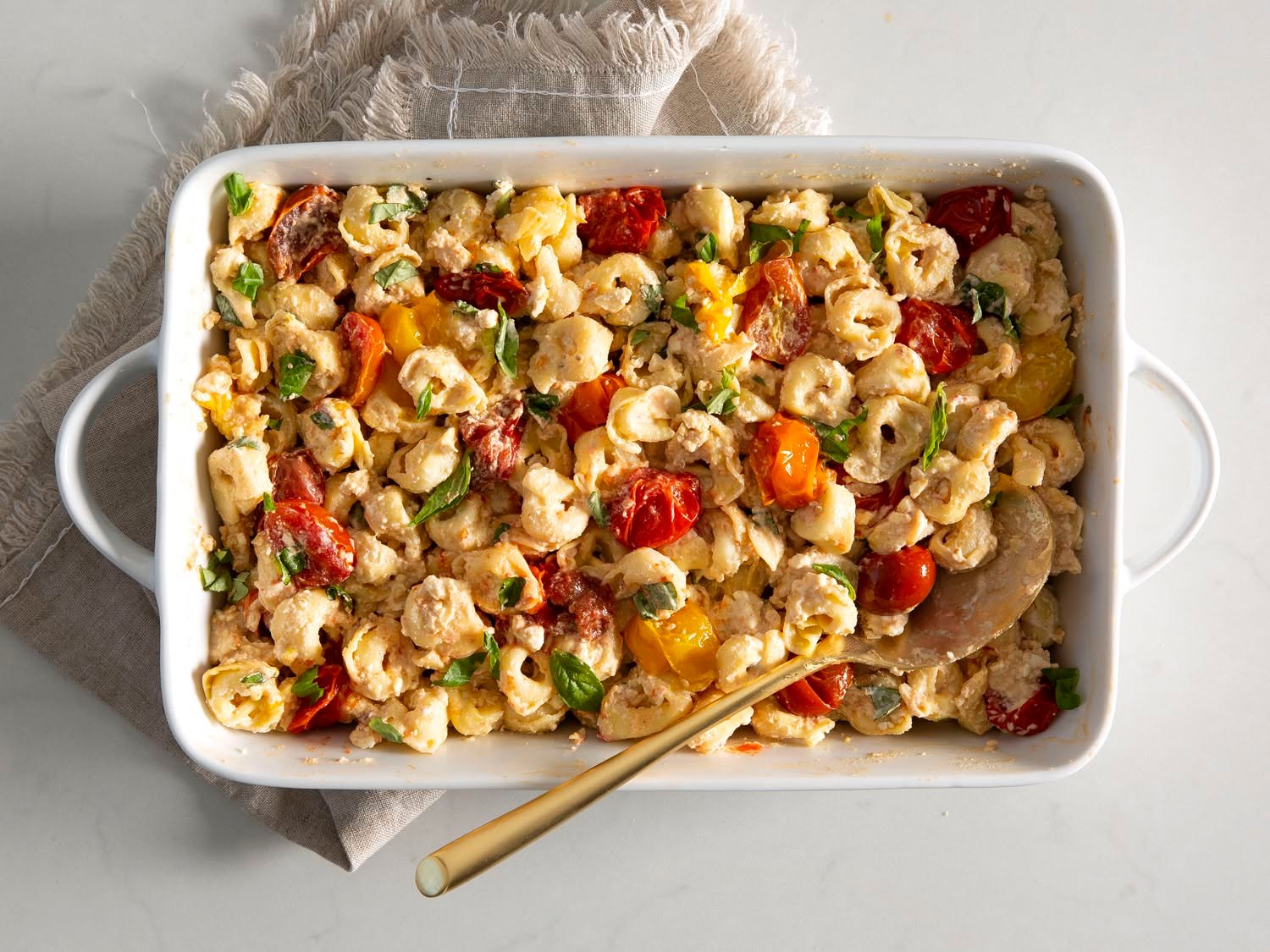
Creamy Tomato Ricotta Pasta combines tomatoes, ricotta, Parmesan, garlic, basil, and pasta water to create a smooth sauce without requiring heavy cream.
FoodLure’s full Creamy Tomato Ricotta Pasta recipe takes about 25 minutes and uses pasta water to help the sauce cling to the pasta.
This is a good example of a modern Italian-inspired pasta dish rather than claiming it as a centuries-old regional classic.
34 Best Italian Pasta Recipes by Region
One of the easiest ways to understand Italian pasta is to look at the regions.
| Region | Pasta dishes to try |
|---|---|
| Lazio | Carbonara, Cacio e Pepe, Gricia, Amatriciana |
| Campania | Aglio e Olio, Vongole, Nerano, Sorrentina |
| Sicily | Pasta alla Norma, Pasta con le Sarde |
| Liguria | Pesto Genovese |
| Emilia-Romagna | Tagliatelle al Ragù, Lasagna, Tortellini |
| Tuscany | Pappardelle al Cinghiale, Pici |
| Puglia | Orecchiette with Cime di Rapa |
| Central Italy | Artichoke and mushroom pasta |
| Southern Italy | Pasta e Fagioli, Pasta e Lenticchie |
Italian Pasta vs. Italian-American Pasta
The terms “Italian pasta” and “Italian-American pasta” are sometimes used interchangeably, but they don’t always describe the same cooking tradition.
Traditional Italian dishes often have a strong regional identity and may use relatively few ingredients.
Italian-American cuisine developed through Italian immigrant communities and evolved with ingredients, portion sizes, cooking habits, and tastes in the United States.
That doesn’t make Italian-American pasta less delicious. It simply means the dishes have a different culinary history.
For example, dishes such as Alfredo-style pasta and some versions of baked pasta are particularly popular in the United States, while dishes such as Cacio e Pepe and Pasta alla Gricia are strongly associated with Roman cooking.
This distinction is useful when you’re specifically searching for authentic Italian pasta recipes.
How to Cook Pasta Like an Italian
A great pasta dish isn’t only about the sauce. Cooking the pasta correctly makes a major difference.
1. Use plenty of water
Give the pasta enough room to cook without sticking together.
2. Salt the water
Season the cooking water so the pasta itself has flavor.
3. Cook until al dente
The pasta should remain pleasantly firm rather than becoming soft and mushy.
4. Save some pasta water
Before draining, reserve some of the starchy cooking water.
It can help loosen and emulsify sauces.
5. Don’t rinse ordinary hot pasta
For most hot pasta dishes, draining without rinsing allows the pasta’s surface starch to help the sauce cling.
6. Finish pasta in the sauce
Whenever practical, combine the cooked pasta with the sauce in the pan for the final minute or two.
This helps the pasta absorb flavor.
7. Don’t overcomplicate the dish
Many traditional Italian pasta recipes are built around a few good ingredients rather than a long list of additions.
The exact-match competitor also emphasizes techniques such as salting the water, cooking pasta correctly, avoiding unnecessary oil in the water, reserving pasta water, and combining pasta with sauce immediately.
Choosing the Right Pasta Shape
The pasta shape should work with the sauce.
| Pasta shape | Great with |
|---|---|
| Spaghetti | Light tomato, oil-based, and seafood sauces |
| Bucatini | Amatriciana and rich sauces |
| Rigatoni | Ragù and thick sauces |
| Penne | Arrabbiata and chunky sauces |
| Tagliatelle | Meat ragù |
| Pappardelle | Rich meat or mushroom sauces |
| Orecchiette | Vegetables and sausage |
| Trofie | Pesto |
| Linguine | Seafood sauces |
| Tortellini | Broth, butter, cream-based sauces |
| Ravioli | Butter, sage, light tomato or delicate sauces |
34 Best Italian Pasta to Try First
If you love Italian food, these 34 best Italian pasta recipes are a delicious place to start. From classic Spaghetti Carbonara and creamy Fettuccine Alfredo to traditional Pasta alla Norma and fresh Pesto Pasta, there is something for every taste. Whether you prefer rich, creamy sauces, simple tomato-based dishes, or authentic regional Italian flavors, these recipes make it easy to enjoy a taste of Italy at home. Start with an easy pasta dish for a quick weeknight dinner, or try a traditional Italian favorite when you want something special. With simple ingredients, satisfying flavors, and plenty of variety, these Italian pasta recipes will inspire your next homemade meal.
- Spaghetti Carbonara — the classic Roman favorite
- Cacio e Pepe — simple and intensely cheesy
- Pasta alla Norma — a Sicilian vegetarian classic
- Pasta alla Gricia — Roman simplicity at its best
- Pasta alle Vongole — ideal for seafood lovers
- Pesto Genovese Pasta — fresh and aromatic
- Tagliatelle al Ragù — perfect for Sunday lunch
- Orecchiette with Cime di Rapa — a Puglian classic
- Spaghetti Aglio e Olio — fast and budget-friendly
- Pasta alla Puttanesca — bold, salty, and spicy
If you’re interested in a broader collection beyond traditional Italian dishes, FoodLure’s 50 Best Pasta Recipes is another useful starting point.
34 Best Italian Pasta Recipes
- Aglio e Olio
- Arrabbiata
- Cacio e Pepe
- Spaghetti al Pomodoro
Family Dinners
- Lasagna alla Bolognese
- Pasta al Forno
- Cannelloni
- Pasta e Fagioli
Best vegetarian pasta recipes
- Pasta alla Norma
- Pesto Genovese
- Orecchiette with Cime di Rapa
- Pasta with Broccoli
- Spaghetti alla Nerano
Seafood Pasta Recipes
- Pasta alle Vongole
- Pasta con le Sarde
- Pasta al Tonno
Pasta Recipes for a Special Occasion
- Ravioli with Ricotta and Spinach
- Pappardelle al Cinghiale
- Tortellini in Brodo
- Tagliatelle al Ragù
Common Mistakes When Making Italian Pasta
Making delicious Italian pasta is simple, but a few common mistakes can affect the final taste and texture. Avoid these errors to get better results every time.
1. Using Too Little Water
Use a large pot with plenty of water so the pasta has enough room to cook evenly without sticking together.
2. Forgetting to Salt the Water
Salt the boiling water before adding pasta. It seasons the pasta from the inside and adds more flavor to the finished dish.
3. Overcooking the Pasta
Avoid cooking pasta until it becomes soft and mushy. For the best texture, cook it al dente, meaning firm but tender when you bite into it.
4. Rinsing Pasta After Cooking
Do not rinse pasta when making a hot Italian pasta dish. The starch on the surface helps the sauce cling to the pasta.
5. Throwing Away Pasta Water
Save some pasta water before draining. Its starchy texture can help loosen sauces and create a smoother, more cohesive dish.
6. Adding Too Much Sauce
The sauce should complement the pasta rather than completely cover it. Use enough sauce to coat every piece evenly while keeping the pasta’s texture noticeable.
7. Choosing the Wrong Pasta Shape
Different pasta shapes work better with different sauces. Long pasta pairs well with smooth sauces, while ridged or tubular shapes are excellent for thicker and chunkier sauces.
8. Cooking Pasta Too Far in Advance
Freshly cooked pasta tastes best when combined with the sauce immediately. Letting it sit too long can make it sticky and reduce its texture.
Avoiding these common mistakes will help you prepare flavorful, well-textured Italian pasta that tastes much closer to a traditional homemade dish.
Frequently Asked Questions About Italian Pasta Recipes
1. What are the most popular Italian pasta dishes?
Some of the most popular Italian pasta dishes include Spaghetti Carbonara, Fettuccine Alfredo, Lasagna, Penne Arrabbiata, Pasta alla Norcina, and Spaghetti alla Bolognese. Each dish offers a unique combination of ingredients and traditional Italian flavors.
2. What is the most famous pasta in Italy?
Spaghetti is one of the most famous pasta varieties in Italy. Popular dishes such as Spaghetti Carbonara, Spaghetti Aglio e Olio, and Spaghetti alle Vongole showcase the simplicity and flavor of Italian cooking.
3. What are the best traditional Italian pasta recipes?
Classic Italian pasta recipes include Cacio e Pepe, Pasta alla Norma, Lasagna alla Bolognese, Pasta alla Carbonara, and Pesto alla Genovese. These dishes highlight regional ingredients and traditional cooking techniques.
4. What type of pasta is best for Italian recipes?
The best pasta depends on the sauce. Spaghetti works well with olive oil-based and light tomato sauces, penne pairs nicely with chunky sauces, and rigatoni is excellent for rich meat sauces. Tagliatelle is a traditional choice for ragù.
5. What ingredients are commonly used in Italian pasta dishes?
Common ingredients include pasta, olive oil, garlic, tomatoes, Parmesan cheese, Pecorino Romano, fresh basil, oregano, and black pepper. Depending on the recipe, Italian dishes may also include seafood, meat, vegetables, or cream.
6. How do you cook pasta like an Italian?
Bring a large pot of salted water to a boil, add the pasta, and cook until al dente according to the package instructions. Reserve some pasta water before draining, then toss the pasta with the sauce so the flavors combine beautifully.
7. What is the difference between fresh and dried pasta?
Fresh pasta is typically softer and cooks quickly, making it ideal for dishes with delicate sauces. Dried pasta has a firmer texture and works well with hearty sauces. Both are widely used in Italian cooking.
8. Which Italian pasta recipes are best for beginners?
Spaghetti Aglio e Olio, Penne Arrabbiata, Pesto Pasta, and Spaghetti with Tomato Sauce are excellent beginner-friendly recipes. They require simple ingredients and straightforward cooking techniques.
9. What is the secret to a delicious Italian pasta sauce?
Use quality ingredients, season carefully, and allow the sauce to develop its flavor. Adding a little reserved pasta water helps the sauce cling to the pasta, while fresh herbs and grated cheese can enhance the finished dish.
10. Are authentic Italian pasta recipes healthy?
Many traditional Italian pasta dishes can fit into a balanced diet. Recipes featuring tomatoes, vegetables, olive oil, beans, or seafood can provide a variety of nutrients. Portion sizes and ingredients influence the overall nutritional value.
11. Can I make Italian pasta recipes vegetarian?
Yes! Many Italian pasta dishes are naturally vegetarian or easy to adapt. Try Pasta alla Norma, Pesto Pasta made with vegetarian-friendly cheese, Tomato Basil Pasta, or Cacio e Pepe made with suitable cheese.
12. What should I serve with Italian pasta?
Italian pasta pairs well with a fresh green salad, roasted vegetables, garlic bread, or a simple tomato salad. You can also serve it with grilled chicken, seafood, or steamed vegetables, depending on the recipe.
Final Thoughts
Exploring these Italian pasta dishes is a delicious way to discover the rich traditions, regional flavors, and timeless techniques of Italian cuisine. From simple pasta dishes made with quality ingredients to hearty sauces, creamy favorites, and classic regional specialties, these Italian pasta recipes offer something for every pasta lover. Whether you are planning an easy weeknight dinner, cooking for family and friends, or simply looking for inspiration for your next Italian meal, these Italian pasta dishes make it easy to enjoy authentic Italian-inspired flavors at home. Try different pasta shapes, sauces, cheeses, and fresh ingredients to discover your favorites and bring the taste of Italy to your kitchen.
And if you’re looking for even more ideas after exploring these 34 dishes, visit FoodLure’s 50 Best Pasta Recipes for Easy & Delicious Dinners or browse the 20 Creamy Pasta Dishes for more dinner inspiration.
More Italian Pasta Dishes Carried Over From the Merged Posts
From the merged posts, these additional dishes round out the collection: Trofie al Pesto, short twisted pasta from Liguria served with basil pesto, pine nuts, and cheese; Agnolotti del Plin, small stuffed pasta from Piedmont with a meat filling, named for the pinch used to
shape it; Tajarin al Ragù, thin egg-rich pasta from the Langhe area of Piedmont served with ragù; Pasta alla Genovese, a Neapolitan slow-cooked onion and beef sauce, despite the name pointing to Genoa; Gnocchi alla Sorrentina, soft potato gnocchi from Sorrento baked with tomato, mozzarella, and basil; Busiate alla Trapanese, twisted Sicilian pasta from Trapani with tomato, almonds, basil, and garlic; Cavatelli, small hand-shaped pasta from southern Italy that works with hearty sauces, vegetables, beans, or meat;
Culurgiones, Sardinian stuffed pasta from Ogliastra filled with potato, pecorino, and mint; Malloreddus alla Campidanese, small ridged Sardinian pasta in a tomato sauce with sausage and saffron; Pizzoccheri della Valtellina, buckwheat pasta from Lombardy cooked with potatoes, greens, cheese, and butter; Vincisgrassi, a baked pasta from Marche, similar to lasagna, with meat sauce and béchamel; and Bigoli in Salsa, thick Venetian pasta strands in a savory onion-and-fish sauce.
7 thoughts on “34 Best Italian Pasta Recipes”