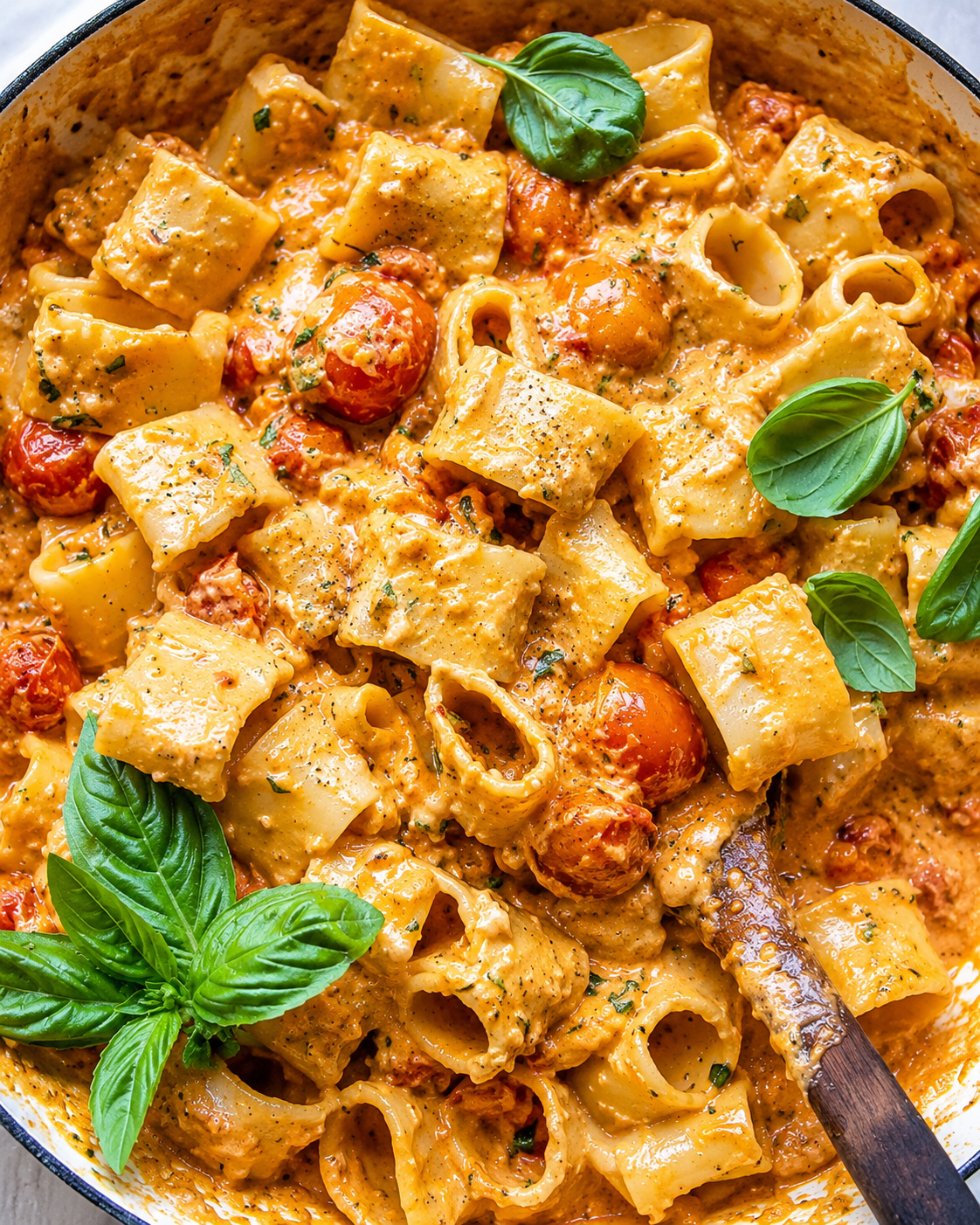
Make creamy tomato ricotta pasta in about 25 minutes with ricotta, tomatoes, Parmesan, garlic, and basil. An easy, comforting pasta dinner without heavy cream.
Creamy Tomato Ricotta Pasta
If you’re craving a comforting pasta dinner that’s creamy, flavorful, and easy enough for a busy weeknight, this Creamy Tomato Ricotta Pasta is a perfect choice. It combines sweet tomatoes, creamy ricotta, garlic, Parmesan, basil, and al dente pasta into a smooth sauce that feels rich without requiring heavy cream.
The secret is simple: ricotta cheese and reserved pasta water work together to create a creamy tomato sauce that clings beautifully to the pasta. Similar tomato-and-ricotta recipes across the current recipe landscape use pasta water, Parmesan, or blended ricotta to help create a smooth sauce.
Tomato Basil Pasta with Light Ricotta Cream Sauce is a fresh, creamy, and flavorful dish that combines ripe tomatoes, fragrant basil, and smooth ricotta cheese. The light sauce gives the pasta a rich texture without feeling too heavy, making it perfect for an easy weeknight dinner. This dish comes together with simple ingredients and delivers a delicious balance of creamy, tangy, and herby flavors. Whether you’re cooking for your family or looking for a quick Italian-inspired meal, it is a satisfying choice.
Enjoy a comforting bowl of this pasta, made with juicy tomatoes, fresh basil, creamy ricotta cheese, and perfectly cooked pasta. This easy dinner delivers rich Italian-inspired flavor without feeling too heavy. If you love a smooth, flavorful sauce, creamy tomato ricotta pasta is a delicious choice for busy weeknights, family dinners, and meatless meals. The secret to a delicious creamy tomato ricotta pasta sauce is combining ricotta with warm tomato sauce and a little reserved pasta water for a silky texture. Serve with fresh basil and grated Parmesan for a simple, satisfying meal.
This recipe is especially useful when you want an easy vegetarian pasta dinner with simple ingredients and plenty of flavor.
Prep Time: 10 minutes
Cook Time: 15 minutes
Total Time: 25 minutes
Servings: 4
Course: Dinner
Cuisine: Italian-inspired
Difficulty: Easy
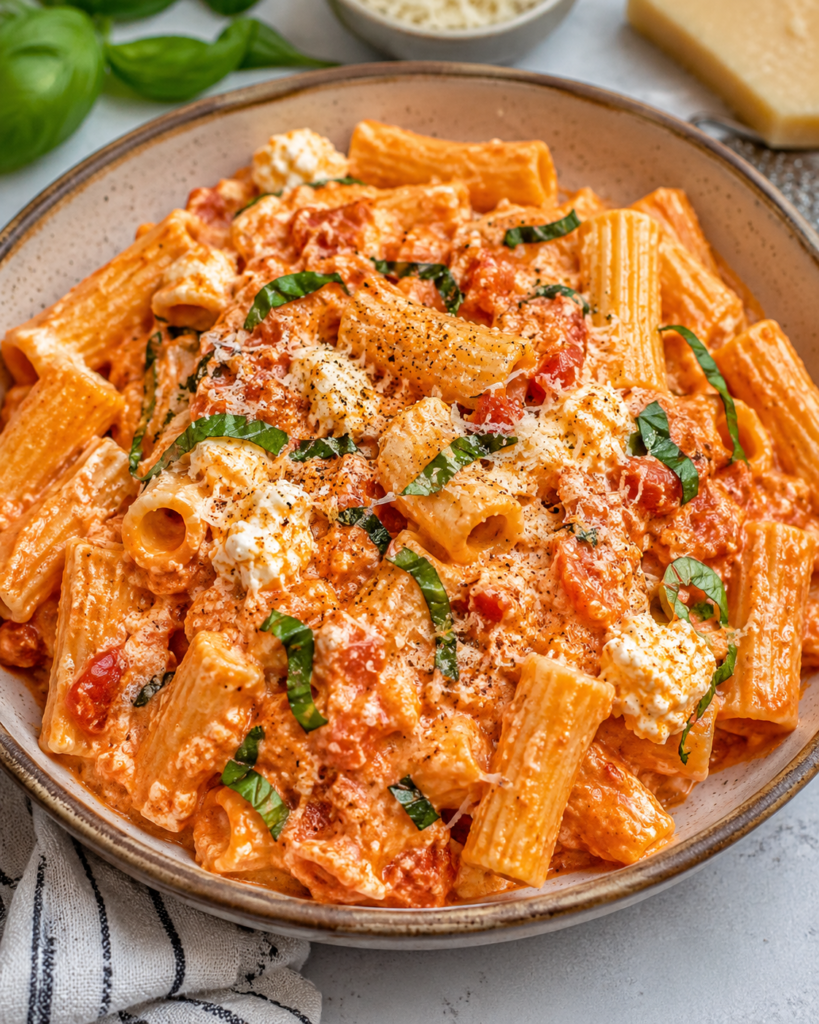
Why You’ll Love This Creamy Tomato Ricotta Pasta
There are plenty of reasons to keep this tomato ricotta pasta recipe in your regular dinner rotation.
- Quick: It’s ready in about 25 minutes.
- Creamy: Ricotta gives the sauce a rich, smooth texture.
- No heavy cream: You can achieve a creamy sauce without relying on heavy cream.
- Simple ingredients: Most ingredients are easy to find.
- Vegetarian-friendly: The recipe is meat-free.
- Weeknight-friendly: You only need a pot and a skillet.
- Customizable: Add spinach, mushrooms, chicken, shrimp, or red pepper flakes if you like.
- Family-friendly: The mild tomato and cheese combination works well for many palates.
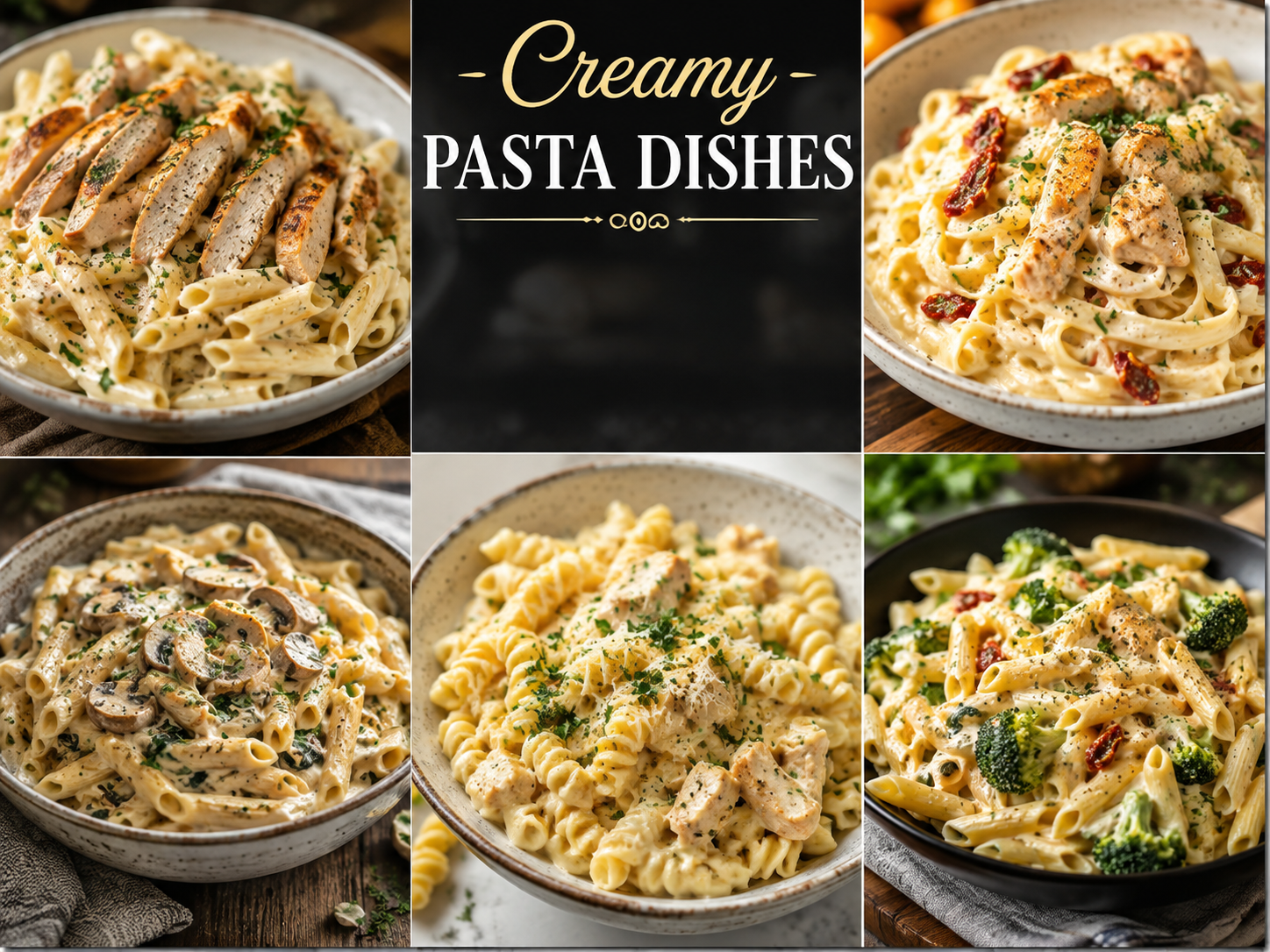
If you’re looking for more creamy pasta inspiration, check out FoodLure’s Creamy Pasta Recipes collection, which includes garlic Parmesan, mushroom, shrimp, spinach, pesto, and other creamy pasta ideas Creamy Tomato Ricotta Pasta
Ingredients You’ll Need
Here’s what you’ll need to make this creamy tomato ricotta pasta.
Pasta
Use 12 ounces (340 g) pasta. Penne, rigatoni, fusilli, or spaghetti all work well.
Short ridged pasta such as penne and rigatoni is particularly good because the tomato ricotta sauce can cling to the ridges and fill the tubes.
Tomatoes
Use 2 cups cherry tomatoes, halved.
Cherry tomatoes become sweet and juicy as they cook, but you can also substitute canned diced tomatoes when fresh tomatoes aren’t available.
Ricotta Cheese
Use 1 cup whole-milk ricotta cheese for the creamiest result.
Whole-milk ricotta generally gives the sauce a richer texture than low-fat varieties.
Garlic
Use 3 garlic cloves, finely minced.
Garlic adds savory depth to the sweet tomato and creamy ricotta combination.
Olive Oil
Use 2 tablespoons extra-virgin olive oil to sauté the tomatoes and garlic.
Parmesan
Use ½ cup freshly grated Parmesan cheese, plus extra for serving.
Freshly grated Parmesan is ideal for sauces because it melts more easily than many pre-shredded products.
Basil
Use a small handful of fresh basil leaves.
Basil adds a fresh, aromatic finish that balances the richness of the sauce.
Seasonings
You’ll also need:
- ½ teaspoon salt, plus more to taste
- ½ teaspoon black pepper
- ¼ teaspoon red pepper flakes, optional
- 1 teaspoon Italian seasoning, optional
Pasta Water
Reserve at least 1 cup of the pasta cooking water before draining.
You probably won’t need all of it, but it’s one of the most useful ingredients for adjusting the sauce’s consistency.
How to Make Creamy Tomato Ricotta Pasta
1. Cook the Pasta
Bring a large pot of water to a boil and season it with salt.
Add the pasta and cook according to the package directions until al dente.
Before draining, scoop out about 1 cup of the starchy pasta water and set it aside.
Drain the pasta, but don’t rinse it.
2. Cook the Tomatoes and Garlic
While the pasta cooks, heat the olive oil in a large skillet over medium heat.
Add the halved cherry tomatoes and cook for about 4–5 minutes, stirring occasionally.
Once the tomatoes begin to soften and release their juices, add the minced garlic.
Cook for another 30–60 seconds, just until fragrant.
Be careful not to burn the garlic.
3. Season the Tomato Mixture
Add:
- Salt
- Black pepper
- Italian seasoning
- Red pepper flakes, if using
Stir everything together.
The tomatoes should be soft, juicy, and flavorful.
4. Add the Ricotta
Reduce the heat to low.
Add the ricotta cheese to the tomato mixture and stir gently.
Don’t let the sauce aggressively boil after adding the ricotta.
A gentle heat helps maintain a smoother texture.
5. Add Pasta Water
Slowly add about ¼ cup of reserved pasta water while stirring.
Continue adding small amounts until the sauce becomes creamy and reaches your preferred consistency.
The combination of ricotta, tomato juices, Parmesan, and starchy pasta water helps create a sauce that coats the pasta instead of sitting separately on the plate.
6. Add Parmesan
Stir in the freshly grated Parmesan.
Taste the sauce and adjust the salt and pepper as needed.
If the sauce becomes too thick, add another splash of pasta water.
7. Toss the Pasta With the Sauce
Add the cooked pasta directly to the skillet.
Toss everything together for 1–2 minutes over low heat.
Make sure every piece of pasta is coated in the creamy tomato ricotta sauce.
Finish with fresh basil and extra Parmesan.
Serve immediately.
Why Is Creamy Tomato Ricotta Pasta Without Heavy Cream?
One of the best things about this recipe is that you don’t need heavy cream to make a creamy tomato pasta sauce.
Ricotta provides the creamy dairy component, while the tomato juices bring moisture and acidity. Parmesan adds savory depth, and reserved pasta water helps loosen and bind the sauce.
The important part is controlling the heat.
Instead of boiling the ricotta aggressively, keep the sauce warm and gently toss it with the pasta.
This creates a smoother texture and makes it easier to adjust the consistency with pasta water.
Several current recipes use similar techniques, including ricotta blended with tomato sauce and pasta water or ricotta combined with tomato sauce and Parmesan.
How to Keep Ricotta From Becoming Grainy
If you’ve ever made a ricotta pasta sauce that turned slightly grainy, these tips can help.
Use whole-milk ricotta
Whole-milk ricotta generally provides a richer, creamier result.
Avoid high heat
Don’t allow the ricotta sauce to aggressively boil.
Add pasta water gradually
A small splash at a time gives you better control over the consistency.
Use freshly grated Parmesan.
Freshly grated Parmesan tends to incorporate more smoothly than some pre-grated products.
Toss gently
Once the pasta and sauce are combined, gently toss rather than cooking the mixture aggressively.
Fresh Tomatoes vs. Canned Tomatoes
You can make this recipe with different types of tomatoes.
| Tomato | Best For | Result |
|---|---|---|
| Cherry tomatoes | Fresh, quick sauce | Sweet and bright |
| Roma tomatoes | Fresh tomato flavor | Mild and balanced |
| Canned diced tomatoes | Year-round cooking | Juicy and convenient |
| Crushed tomatoes | Smooth sauce | More uniform texture |
| Passata | Very smooth sauce | Silky tomato base |
For the quickest fresh version, cherry tomatoes are an excellent choice.
For a pantry-friendly version, canned tomatoes are convenient and consistent.
What Pasta Is Best for Tomato Ricotta Sauce?
The best pasta depends on the texture you want.
Penne
Penne is an excellent all-purpose choice. Its ridges help hold the creamy tomato sauce.
Rigatoni
Rigatoni works especially well if you prefer a thicker, more substantial pasta.
Fusilli
The spirals catch plenty of creamy sauce.
Spaghetti
Spaghetti creates a classic tomato-pasta experience and works well with a smooth sauce.
Fettuccine
Fettuccine is a good option when you want long, broad noodles coated in the creamy sauce.
If you are experimenting with different pasta dishes, FoodLure’s 50 Best Pasta Recipes also includes guidance on choosing pasta shapes for different sauces.
Easy Variations
One of the best things about tomato ricotta pasta is how easy it is to customize.
Spinach Ricotta Pasta
Add two large handfuls of fresh baby spinach during the final few minutes.
Let the spinach wilt into the warm sauce.
For another vegetarian pasta idea, FoodLure’s pasta collection also includes spinach and ricotta combinations.
Spicy Tomato Ricotta Pasta
Add an extra ¼–½ teaspoon of crushed red pepper flakes for more heat.
You can also finish the pasta with freshly cracked black pepper.
Mushroom Tomato Ricotta Pasta
Sauté sliced mushrooms before adding the tomatoes.
Cook them until golden for deeper savory flavor.
Chicken Tomato Ricotta Pasta
Add sliced grilled or roasted chicken for a higher-protein dinner.
Shrimp Tomato Ricotta Pasta
Cook peeled shrimp separately until just cooked through, then toss them into the finished pasta.
Avoid overcooking shrimp because they can quickly become tough.
Roasted Garlic Version
For a deeper garlic flavor, roast garlic separately and stir the softened cloves into the ricotta sauce.
Ingredient Substitutions
Can I use cottage cheese instead of ricotta?
Yes. Cottage cheese can work, particularly if blended until smooth before adding it to the sauce.
The final texture will be somewhat different from traditional ricotta.
Can I use canned tomatoes?
Absolutely.
Use good-quality canned diced or crushed tomatoes when fresh tomatoes aren’t available.
Can I use another pasta shape?
Yes.
Penne, rigatoni, fusilli, spaghetti, shells, and fettuccine can all work.
Can I make it gluten-free?
Yes. Use your preferred gluten-free pasta and check the labels on all packaged ingredients.
Can I make it dairy-free?
A dairy-free version would require replacing the ricotta and Parmesan with suitable plant-based alternatives. The flavor and texture will naturally be different.
What to Serve With Creamy Tomato Ricotta Pasta
This pasta is satisfying on its own, but a fresh side can balance the creamy sauce.
Try serving it with:
- Green salad
- Garlic bread
- Roasted broccoli
- Steamed vegetables
- Roasted asparagus
- Sautéed spinach
- Simple tomato salad
A crisp salad is especially nice because the freshness contrasts with the creamy sauce.
How to Store Creamy Tomato Ricotta Pasta
Transfer leftovers to an airtight container and refrigerate promptly.
For food-safety purposes, the USDA recommends using refrigerated leftovers within 3–4 days and refrigerating perishable leftovers promptly.
Because creamy pasta thickens as it cools, don’t be surprised if the leftovers look firmer the next day.
How to Reheat Creamy Tomato Ricotta Pasta
The best way to reheat this pasta is gently.
Stovetop method
- Put the pasta in a skillet.
- Add a small splash of water or broth.
- Warm over medium-low heat.
- Stir frequently.
- Add more liquid if needed.
- Heat thoroughly before serving.
The USDA recommends reheating cooked leftovers to 165°F (74°C).
Avoid extremely high heat because it can make the sauce overly thick or cause the dairy-based sauce to separate.
Common Mistakes to Avoid
Using too little pasta water
Don’t throw away all your pasta water before checking the sauce.
A small amount can make a major difference when the sauce is too thick.
Boiling the ricotta
Keep the heat gentle once the ricotta is added.
Overcooking the pasta
Cook it until al dente, so it still has some texture when tossed with the sauce.
Adding too much Parmesan
Parmesan adds wonderful flavor, but too much can make the sauce overly thick and salty.
Not tasting before serving
Tomatoes, Parmesan, and ricotta can vary in saltiness and acidity.
Always taste the finished sauce and adjust the seasoning.
Recipe Card: Creamy Tomato Ricotta Pasta
Creamy Tomato Ricotta Pasta
This easy creamy tomato ricotta pasta combines juicy tomatoes, smooth ricotta, Parmesan, garlic, and fresh basil for a comforting 25-minute dinner without heavy cream.
Prep Time: 10 minutes
Cook Time: 15 minutes
Total Time: 25 minutes
Servings: 4
Course: Dinner
Cuisine: Italian-inspired
Ingredients
- 12 oz (340 g) pasta
- 2 cups cherry tomatoes, halved
- 1 cup whole-milk ricotta
- 3 garlic cloves, minced
- 2 tbsp extra-virgin olive oil
- ½ cup freshly grated Parmesan
- ½ cup reserved pasta water, plus more if needed
- ½ tsp salt
- ½ tsp black pepper
- ¼ tsp red pepper flakes, optional
- 1 tsp Italian seasoning, optional
- Fresh basil, for serving
Instructions
- Bring a large pot of salted water to a boil.
- Cook pasta until al dente according to package directions.
- Reserve 1 cup pasta water, then drain the pasta.
- Heat olive oil in a skillet over medium heat.
- Add cherry tomatoes and cook for 4–5 minutes.
- Add garlic and cook for 30–60 seconds.
- Season with salt, pepper, Italian seasoning, and red pepper flakes.
- Reduce heat to low and add ricotta.
- Slowly add pasta water until the sauce becomes creamy.
- Stir in Parmesan.
- Add cooked pasta and toss for 1–2 minutes.
- Finish with fresh basil and extra Parmesan.
- Serve immediately.
Frequently Asked Questions About Creamy Tomato Ricotta Pasta
1. What is creamy tomato ricotta pasta?
Creamy tomato ricotta pasta is a delicious Italian-inspired dish made with pasta, ripe tomatoes or tomato sauce, creamy ricotta cheese, garlic, and herbs. It creates a rich, smooth sauce with a fresh tomato flavor.
2. Which pasta is best for creamy tomato ricotta pasta?
Penne, rigatoni, fusilli, spaghetti, and fettuccine are excellent choices. Short pasta shapes hold the creamy tomato sauce well, while long pasta works beautifully for a silky coating.
3. How do you make creamy tomato ricotta pasta?
Cook your favorite pasta until al dente. Sauté garlic in olive oil, add tomato sauce, and simmer briefly. Stir in ricotta cheese with a splash of reserved pasta water until smooth, then toss with the cooked pasta and fresh basil.
4. Can I use store-bought tomato sauce?
Yes! Store-bought tomato sauce is a convenient option for this recipe. Choose a good-quality sauce with simple ingredients, and adjust the garlic, herbs, and seasoning to suit your taste.
5. How do I make tomato ricotta pasta sauce extra creamy?
Use whole-milk ricotta for a richer texture and add reserved pasta water gradually. Blend the ricotta before adding it to the sauce if you prefer a smoother consistency.
6. Can I use low-fat ricotta cheese?
Yes, low-fat ricotta works well, although the sauce may be less rich and creamy. Add a little olive oil or extra pasta water to help create a smooth consistency.
7. Can I make creamy tomato ricotta pasta without cream?
Absolutely! Ricotta cheese provides plenty of creaminess without requiring heavy cream. Mixing ricotta with tomato sauce and starchy pasta water creates a delicious, creamy texture.
8. What herbs go well with tomato ricotta pasta?
Fresh basil is a classic choice because its sweet, aromatic flavor complements tomatoes and ricotta. You can also use oregano, parsley, thyme, or a pinch of dried Italian seasoning.
9. Can I add vegetables to creamy tomato ricotta pasta?
Yes! Spinach, mushrooms, zucchini, roasted bell peppers, and cherry tomatoes are excellent additions. Sauté the vegetables before mixing them into the sauce for extra flavor and texture.
10. How can I add protein to this pasta recipe?
You can add grilled chicken, sautéed shrimp, white beans, chickpeas, or cooked Italian sausage. These ingredients make the meal more filling and provide additional protein.
11. How do I store and reheat leftover creamy tomato ricotta pasta?
Store leftovers in an airtight container in the refrigerator for up to 3–4 days. Reheat gently in a skillet or microwave with a splash of water to loosen the sauce. Refrigerate promptly after cooking.
12. Can I make creamy tomato ricotta pasta ahead of time?
Yes. You can prepare the tomato sauce in advance and refrigerate it separately. When you’re ready to eat, cook the pasta, warm the sauce, stir in the ricotta, and combine everything just before serving for the best texture.
Final Thoughts
Creamy Tomato Ricotta Pasta is a simple, comforting, and flavorful meal that brings together juicy tomatoes, creamy ricotta cheese, garlic, and fresh herbs. Its smooth, velvety sauce makes every bite delicious without the need for heavy cream. Whether you’re preparing a quick weeknight dinner, a family meal, or a cozy Italian-inspired lunch, this recipe is easy to customize with your favorite pasta shapes, vegetables, or protein. For the best results, use fresh basil, good-quality tomatoes, and a splash of reserved pasta water to create a perfectly creamy sauce. Try this creamy tomato ricotta pasta whenever you want a homemade meal that is easy, satisfying, and full of flavor Creamy Tomato Ricotta Pasta
If you’re building a collection of easy pasta dinners, don’t miss FoodLure’s 50 Best Pasta Recipes and 20 Creamy Pasta Dishes for Easy Comforting Dinners for more ideas.
2 thoughts on “Creamy Tomato Ricotta Pasta: Easy Creamy & No Heavy”